


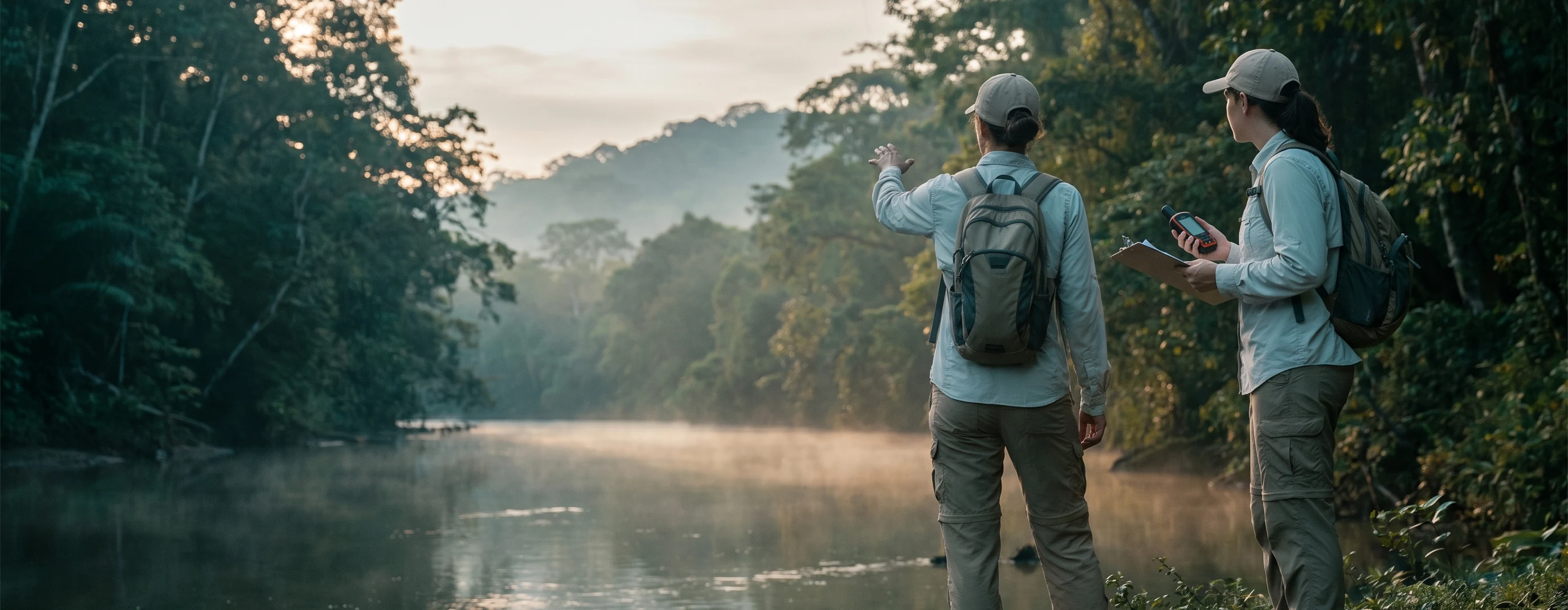
The most demanding process in the sector and the technical-legal document that enables or blocks any project at scale. We integrate ecological baseline, risk analysis, cumulative-impact modeling and management plans under IFC, IDB and World Bank standards. Without a solid ESIA, there is no permit.
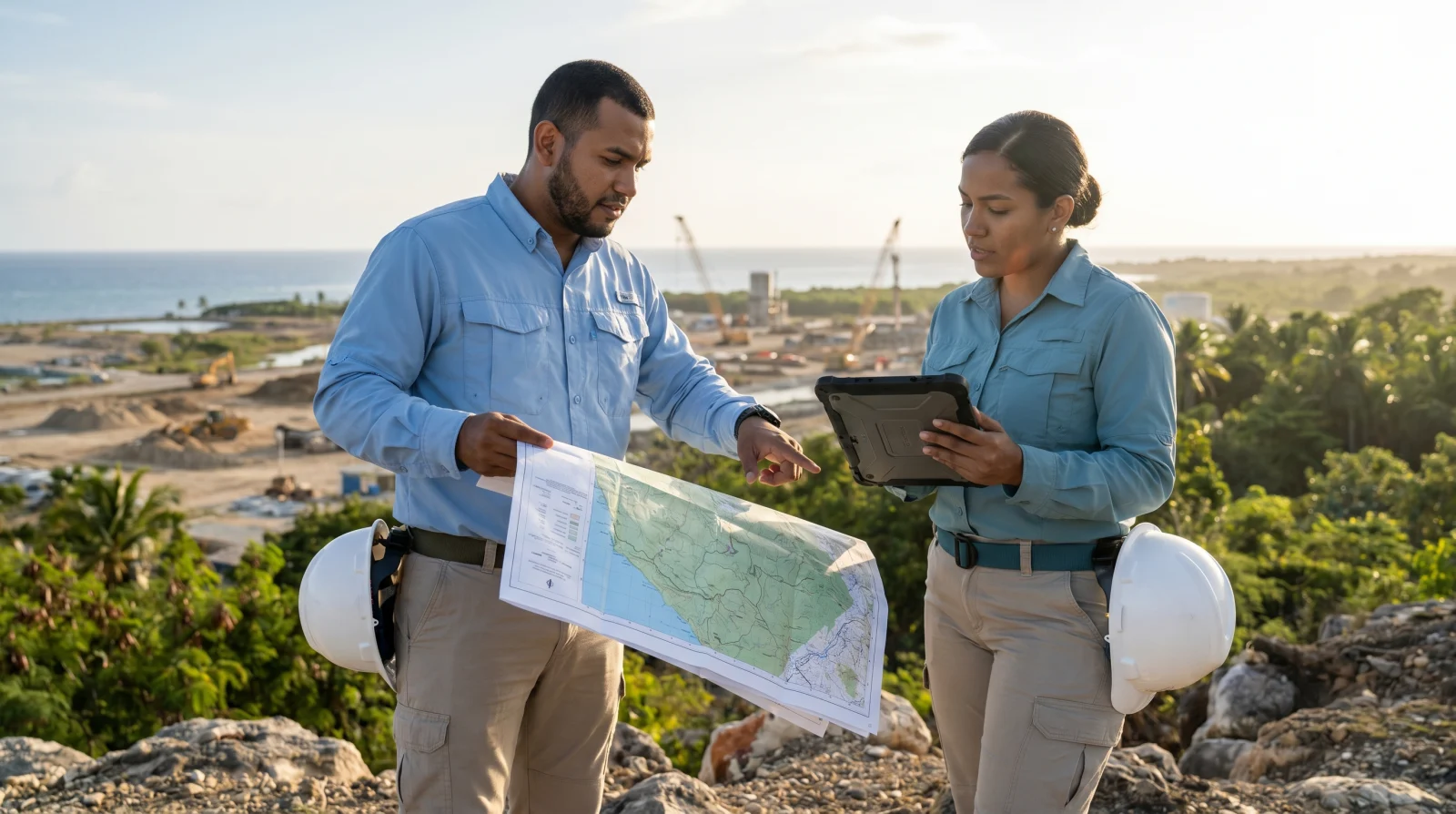
End-to-end management of the process before MiAmbiente and Honduran authorities: file preparation, coordination of evaluations, response to observations and institutional follow-up. On complex projects we run marine, forestry, heritage and municipal permits in parallel. It requires solid institutional relationships and deep knowledge of the regulatory framework.

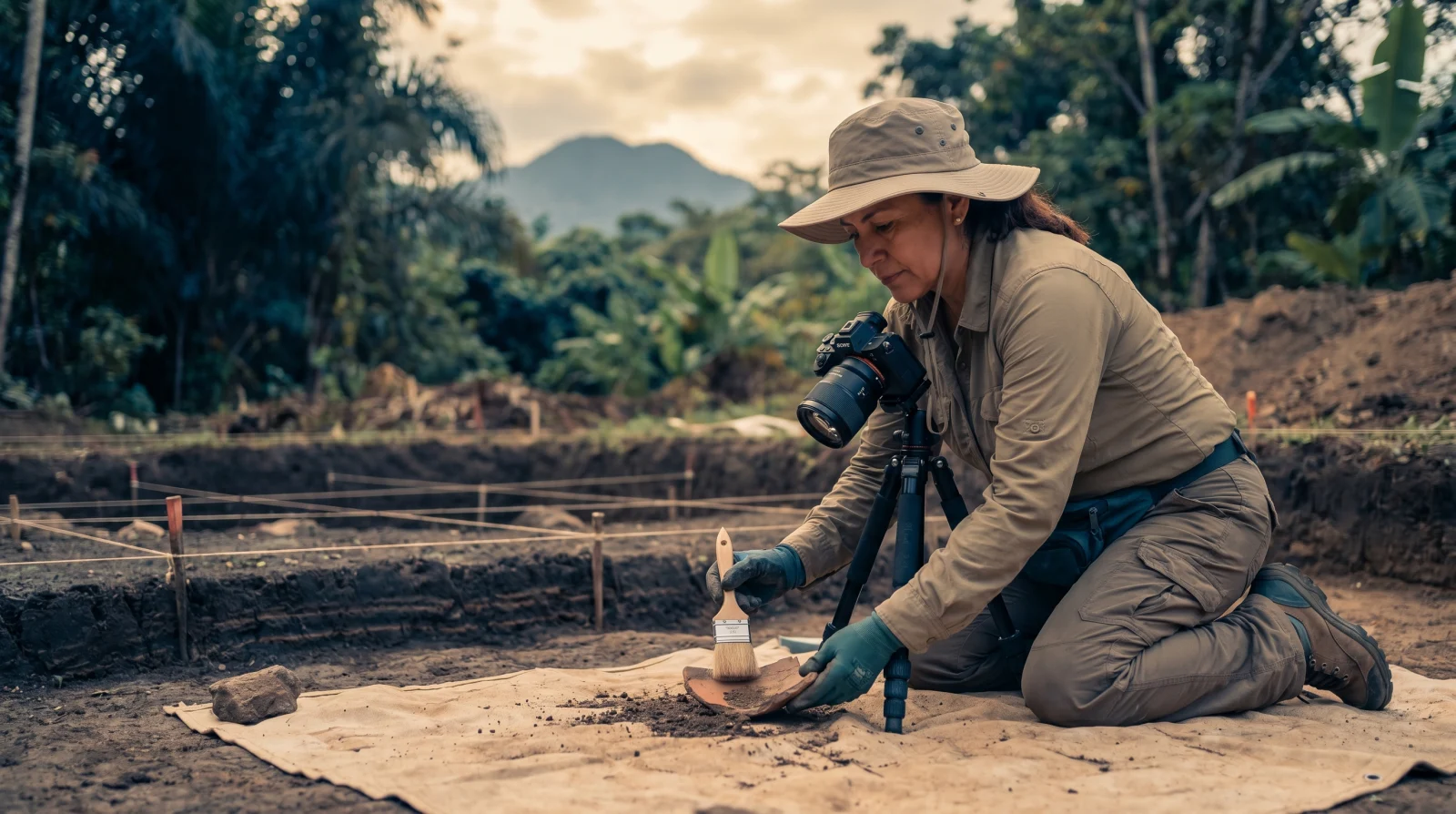
Assessment of impact on archaeological, historical and cultural heritage — mandatory on coastal, island or indigenous-presence projects. Direct coordination with the Honduran Institute of Anthropology and History (IHAH) and alignment with the UNESCO World Heritage Convention where applicable. A politically and socially sensitive process.
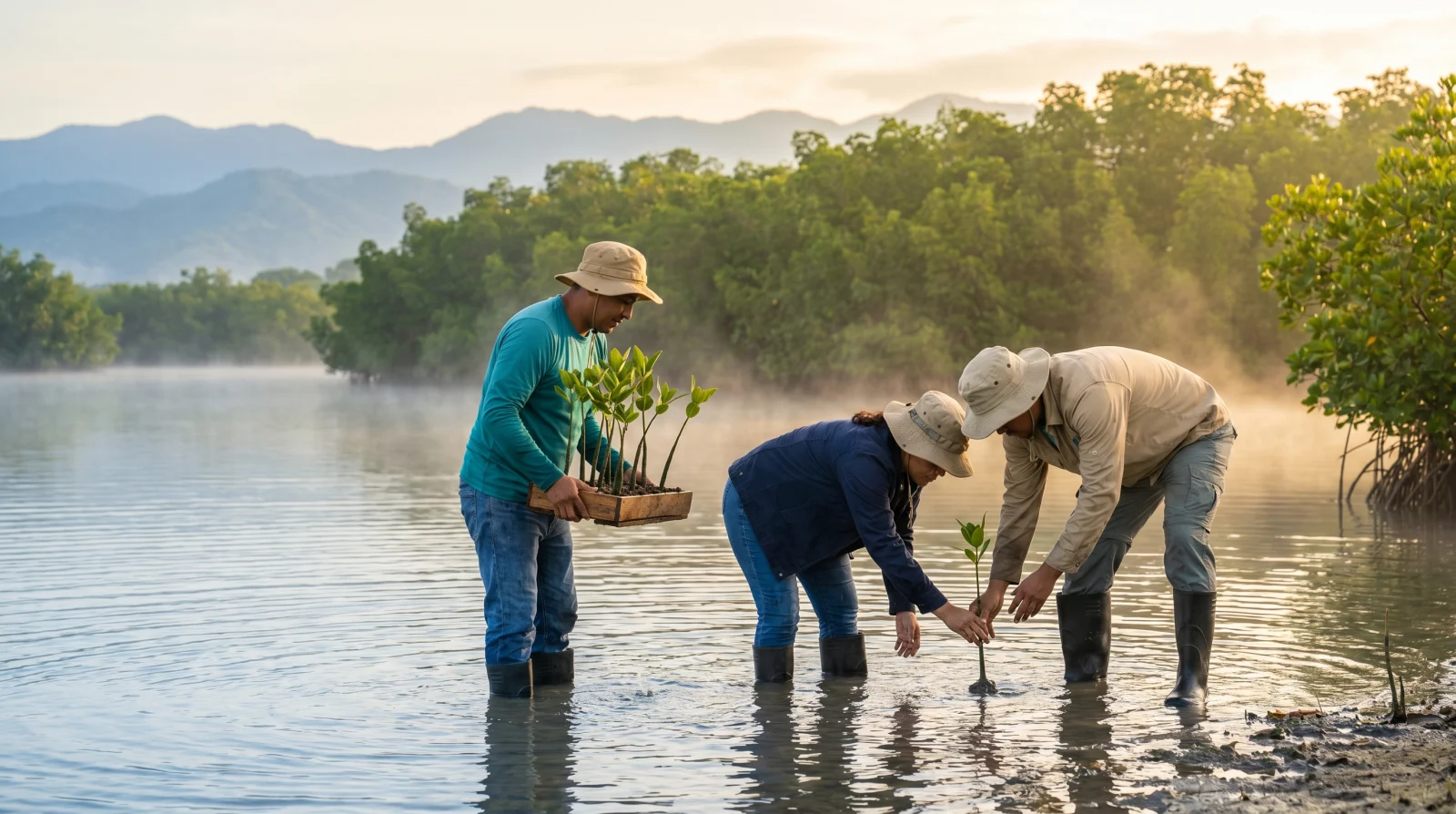
Design and implementation of concrete measures to offset, reduce or reverse ecological damage: reforestation, habitat restoration, fauna relocation, ecosystem monitoring and environmental offset plans. Executed during and after construction, with long-term technical follow-up and documentary traceability.
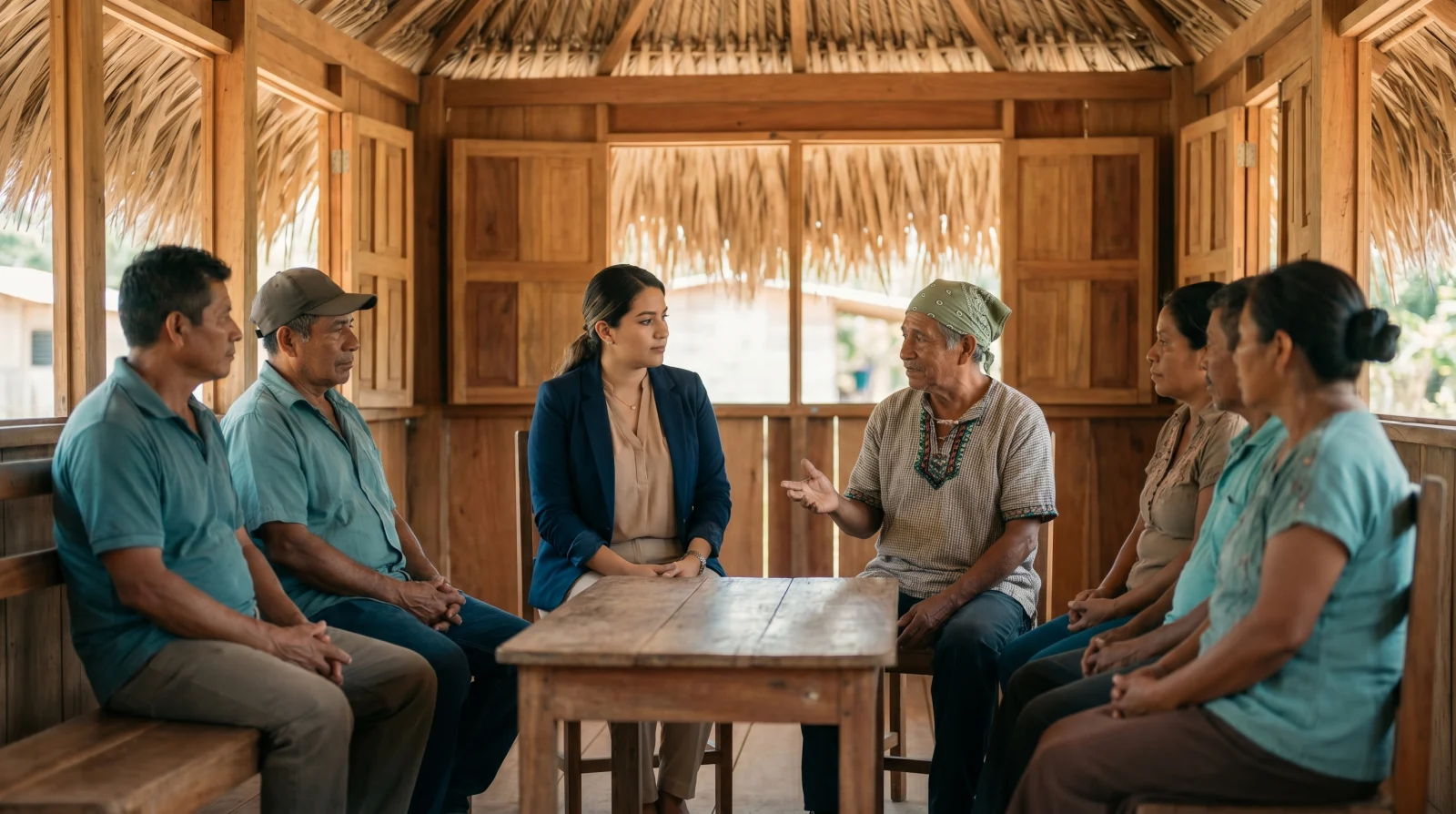
A formal, documented process with local communities, indigenous groups, municipal authorities and key actors. It goes beyond the information meeting: participatory methodologies, conflict management, legal documentation of agreements and compliance with Free, Prior and Informed Consent (FPIC) standards. Mishandled, it can paralyse a project for years.
Continuous, systematic monitoring of compliance with the established environmental conditions across the whole life of the project. It includes preparation of reports to the authorities (ICMA), internal audits, non-conformity management and updates to regulatory changes. It protects the client from sanctions, operational shutdowns or licence revocation.

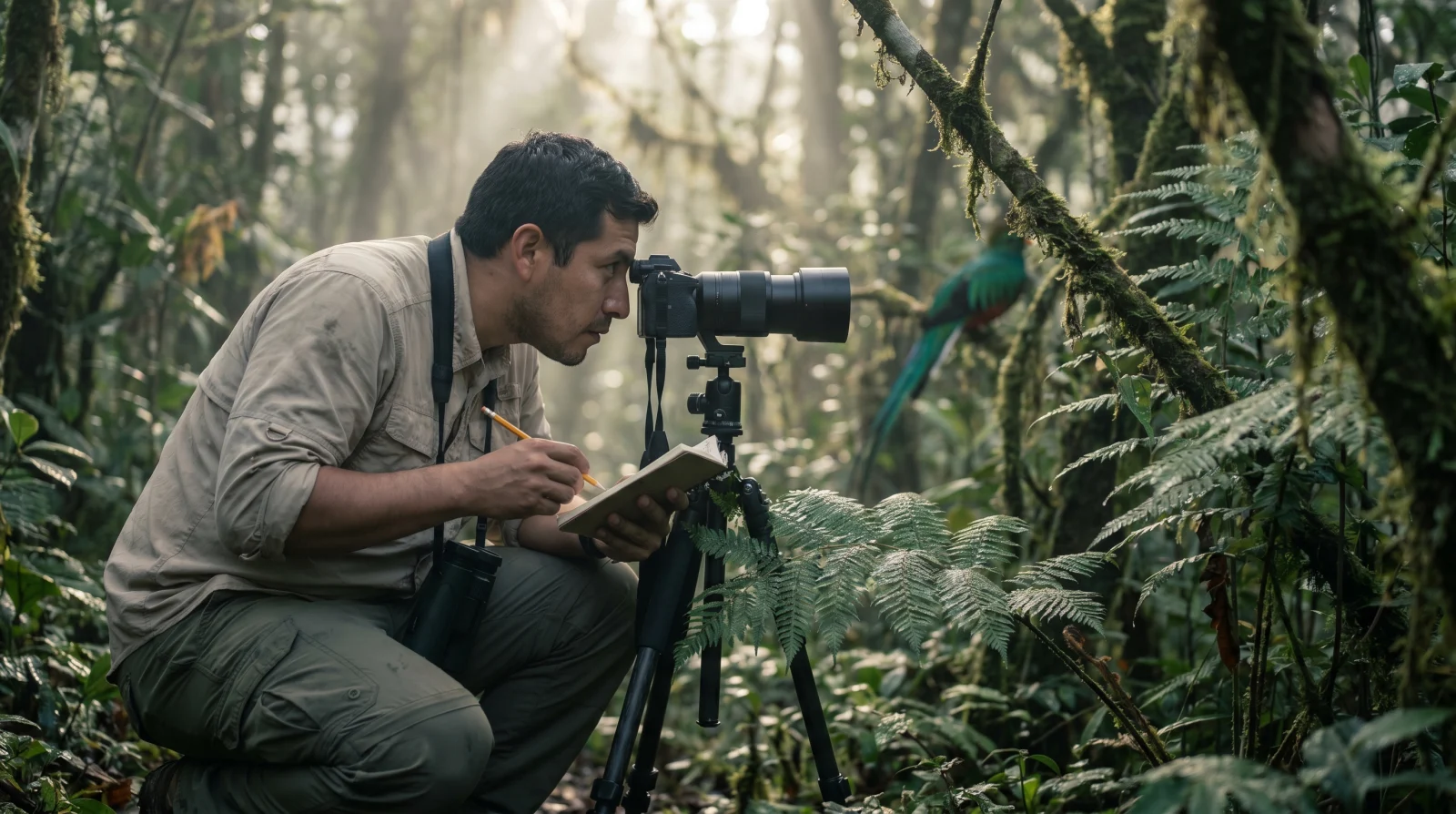
Rigorous scientific survey of the current state of ecosystems in the area of influence: cataloguing of flora and fauna, identification of sensitive ecosystems, breeding grounds, biological corridors and protected species. It is the scientific basis on which the ESIA and mitigation programs are built. In the Bay Islands it covers reefs and mangroves — among the most biodiverse in the world.
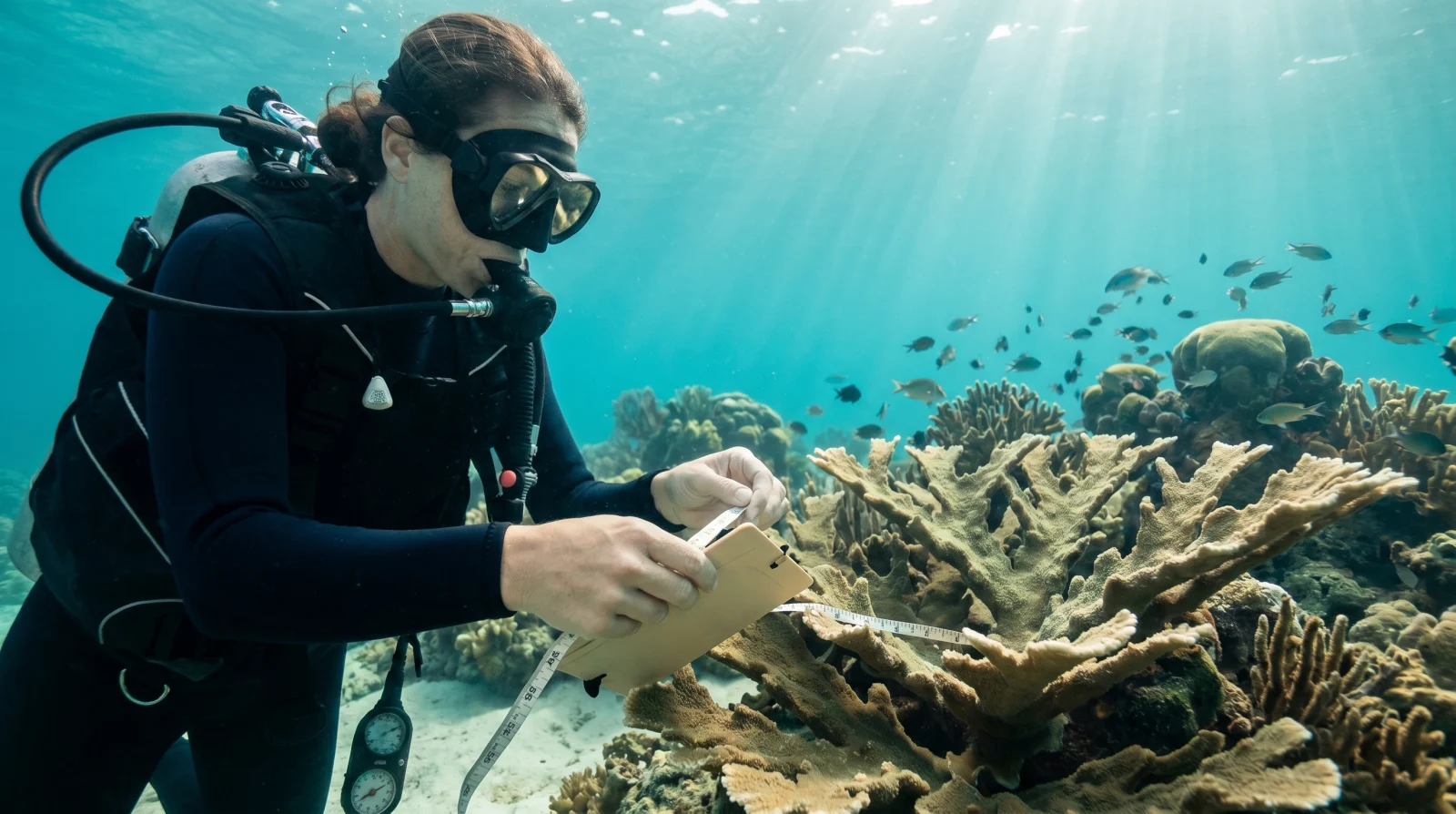
Specialized assessment of project impact on coral reefs, seagrass beds, mangroves, beaches and the intertidal zone. It combines marine biology, oceanography and Honduran coastal legislation. Critical for any development in Roatán and the Bay Islands, where the reef is the economic backbone of tourism and is protected by multiple national and international instruments.
Alignment of the project’s environmental and social processes with IFC Performance Standards, the Equator Principles, ESAP, OECD standards and the environmental policies of multilateral banks. Required when financing comes from international institutions or the client is a multinational under global ESG scrutiny. It connects Honduran regulatory reality with the demands of international capital.
In our clients’ words
Testimonials from international clients that vouch for our real level of execution, regulatory understanding and institutional credibility in Honduras.


“Their work was exemplary and of the highest level. Their support was invaluable in completing impact assessments and obtaining environmental permits in Honduras. They demonstrated an excellent understanding of the Honduran regulatory system and a unique ability to advise and support proactively.”

“ACQUA demonstrated thorough knowledge of the processes for obtaining the permits the project required, to the full satisfaction of our team and our international clients. We highly recommend the firm.”
