


The scientific foundation that holds everything else up
A biodiversity baseline is the rigorous scientific record of the current state of ecosystems within a project's area of influence. It catalogues flora and fauna species, identifies sensitive ecosystems, breeding grounds, biological corridors and protected species. It is the foundation on which the ESIA and mitigation programs are built — without a solid baseline, everything else is opinion.
Service scope
- Scientific inventory of terrestrial and aquatic flora and fauna
- Identification of protected, endemic and threatened species
- Characterization of sensitive ecosystems and biological corridors
- Seasonal studies (dry and rainy season) when applicable
- Critical habitat analysis under IFC standards
- Geo-referenced database with methodological traceability
Why choose ACQUA
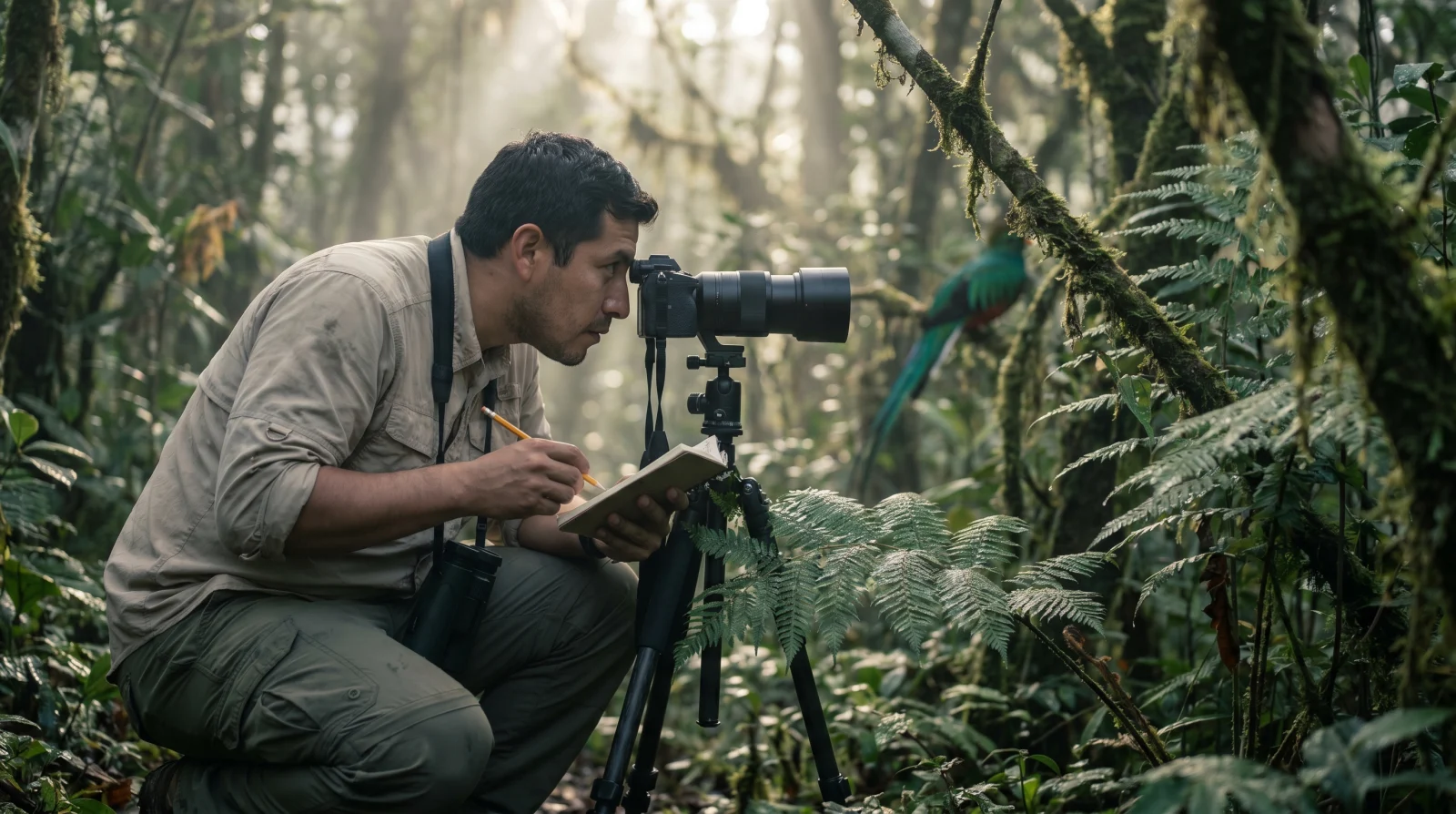
We work with biologists specialized in local taxonomy, herpetology, ornithology, ichthyology and neotropical botany. In the Bay Islands we add reef, mangrove and island ecosystem expertise — among the most biodiverse and fragile in the world.
Sectors we support
Critical for projects in coastal, island, protected, watershed and tropical-forest areas. Specialty in the marine ecosystems of the Honduran Caribbean.
Preguntas frecuentes sobre Biodiversity Baseline Studies
Regulatory clarity with technical-legal judgment. We answer the most common questions from project directors and compliance officers.
How long does a biodiversity baseline study take?
At least one full climatic season, to capture seasonal variation. On projects with an international ESIA, it usually spans a full calendar year with repeated sampling.
What happens if a protected species is found on the site?
We activate the protected-fauna management protocol: formal identification, assessment of the population's status, proposed conservation measures and, where applicable, ICF-authorized relocation.
Do you work with marine ecosystems?
Yes. We have proven experience in coral reefs, mangroves and seagrass beds in the Bay Islands and along the Caribbean coast.
Do you produce scientific publications?
When relevant, yes. We have contributed to publications on coastal biodiversity and Honduran protected areas.